
What Homeowners Need to Know About Sprinkler Systems
Sprinkler systems play a crucial role in maintaining landscapes, gardens, and agricultural fields efficiently. Their ability to distribute water evenly makes them indispensable in both residential and commercial settings. There are many ways to optimize a sprinkler system, ensuring that users can achieve the maximum benefits while conserving water and reducing costs.
Understanding the Basics of Sprinkler Systems
The Evolution of Sprinkler Systems
The development of sprinkler systems dates back to the late 19th century, transforming from basic manual setups to sophisticated automated systems. Initially designed to assist in agricultural irrigation, their evolution has seen them become essential in urban landscaping. Advances in technology have introduced smart features, allowing for remote control and customized watering schedules. With global focus shifting towards sustainability, modern sprinkler systems integrate eco-friendly options to reduce water use. According to Fact.MR, the global sprinkler market, expected to surpass 3.19 billion USD by 2032, reflects the growing adoption and evolution of these systems.
Key Components and Their Functions
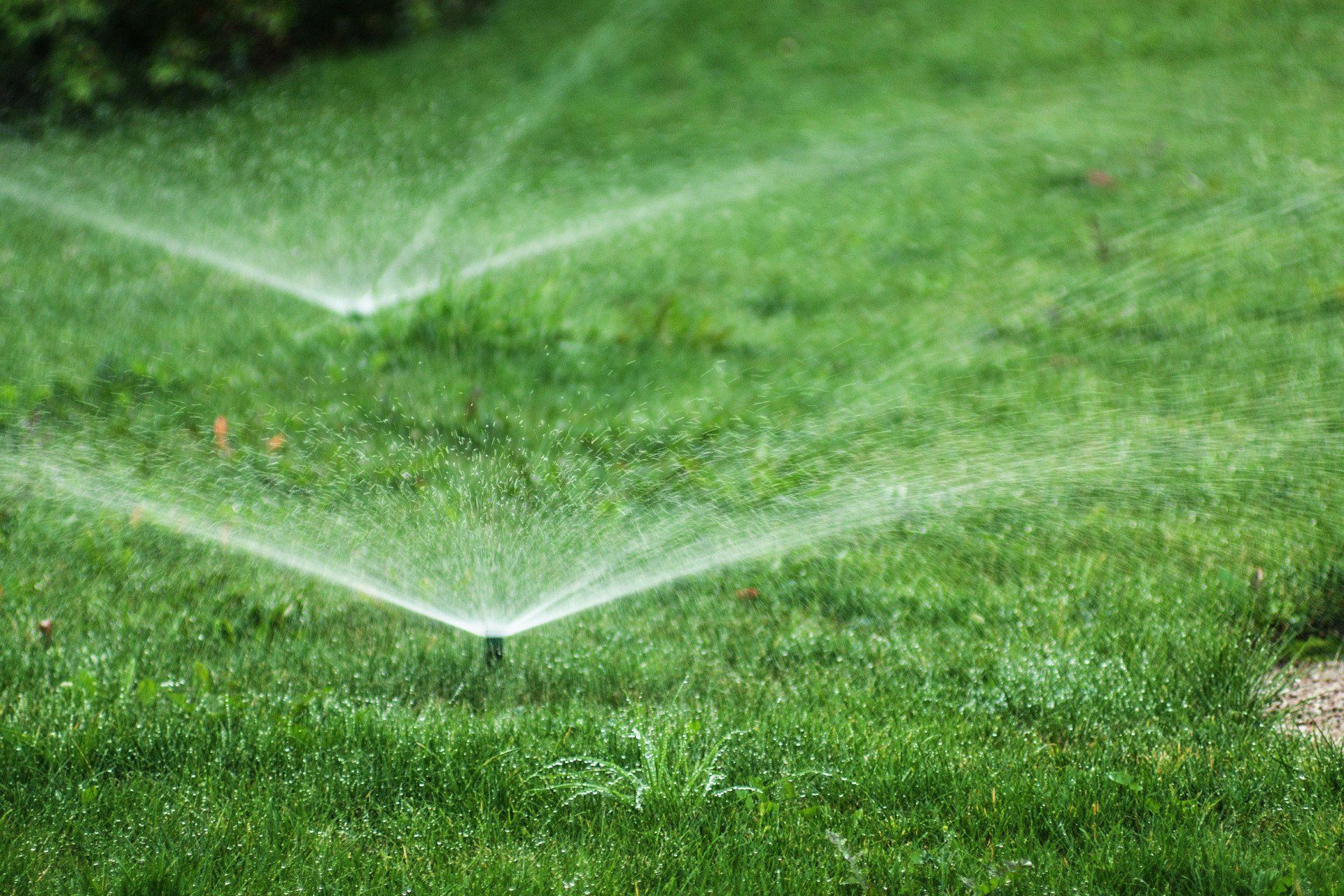
A sprinkler system comprises several key components, each playing a vital role in its functionality. The main components include the control valves, which regulate water flow, and the distribution pipes that transport water to various parts of a landscape. Sprinkler heads are responsible for dispersing water, with variations like rotors and sprays catering to different coverage needs. An often overlooked yet crucial component is the backflow preventer, safeguarding the water supply from contamination. Understanding these components is essential for efficient maintenance and troubleshooting.
Types of Sprinkler Systems and Their Applications
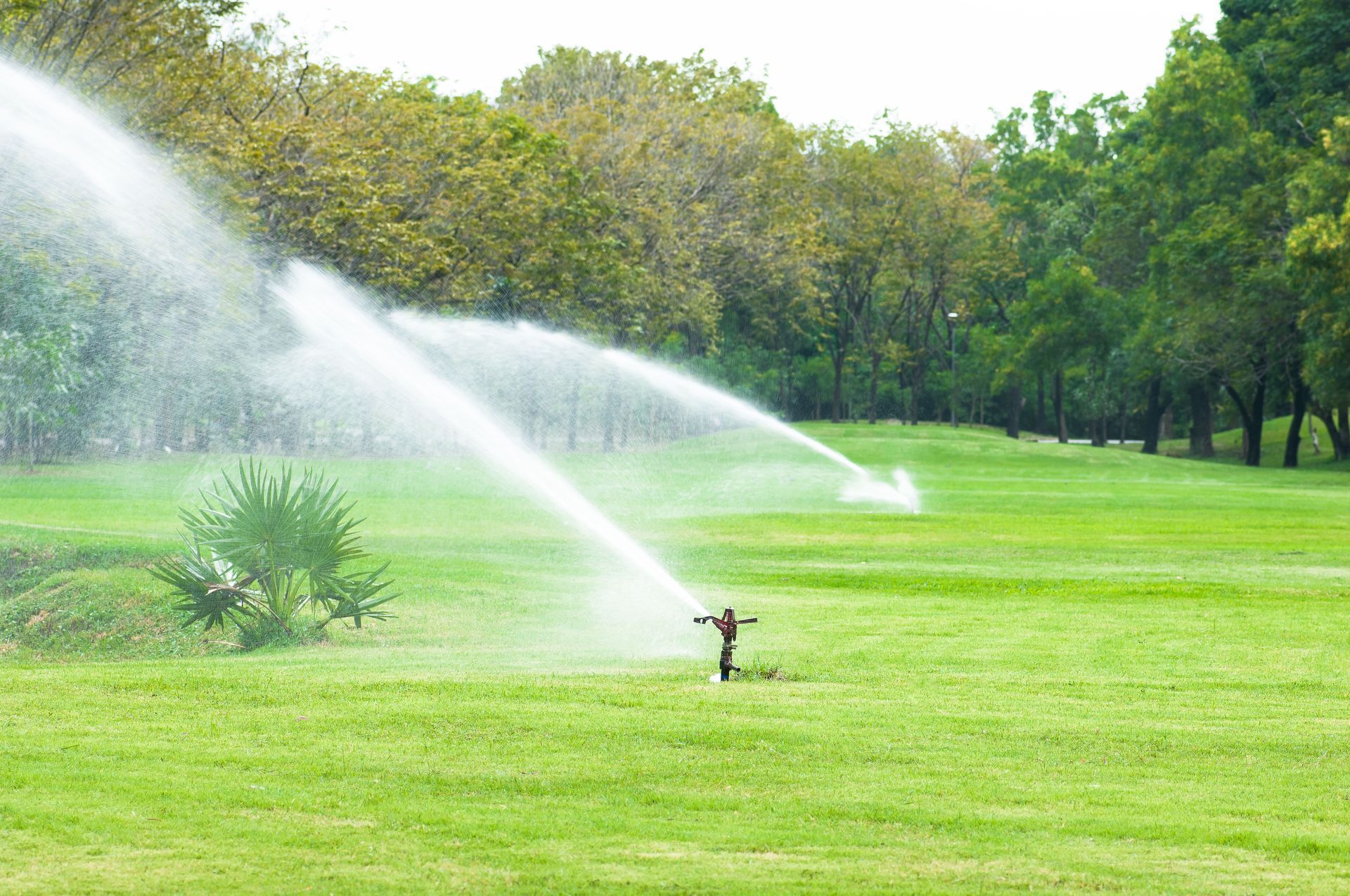
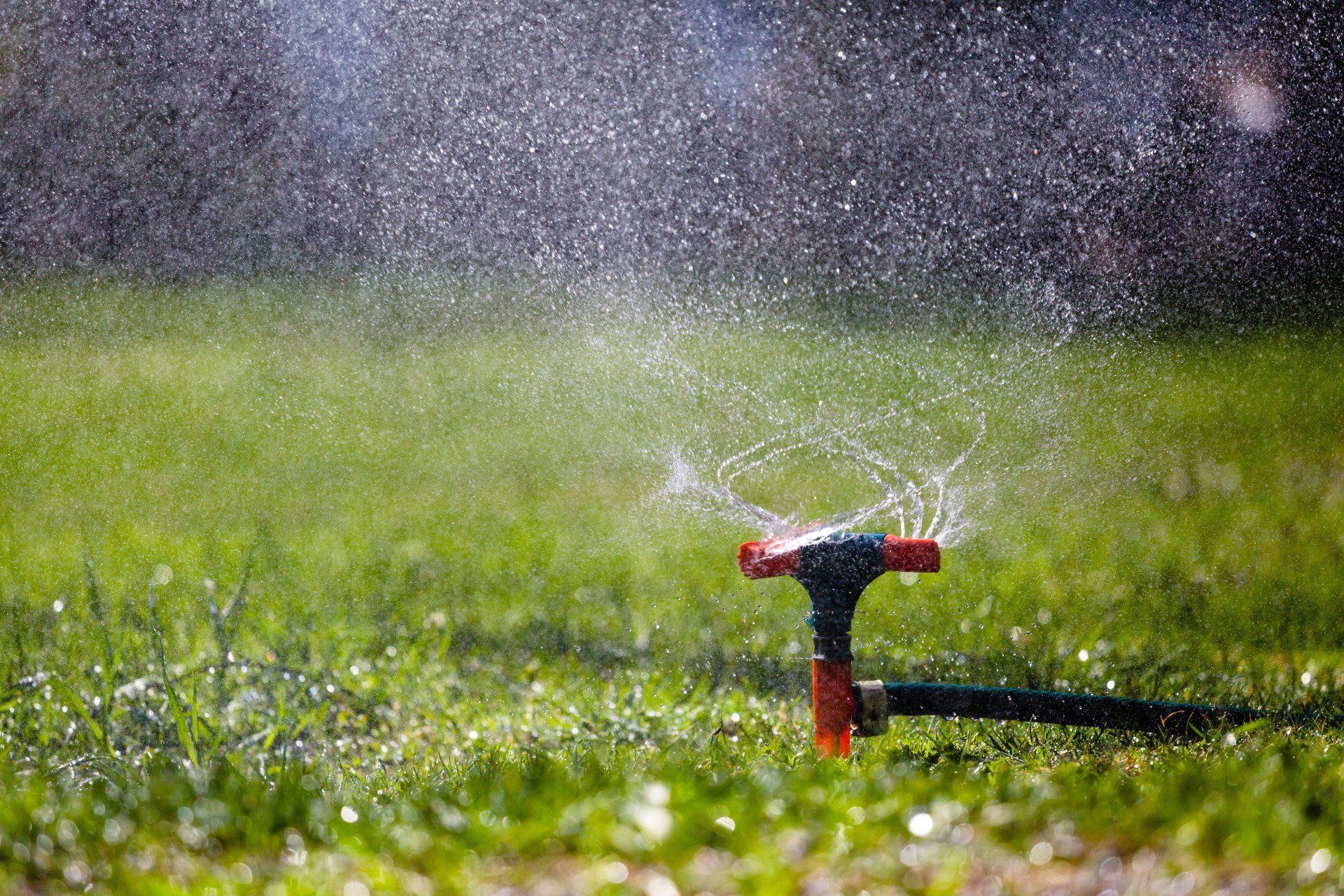
There are several types of sprinkler systems, each suited to specific environments and needs. Surface sprinkler systems are commonly used in gardens and lawns, providing coverage over a large area with minimal setup. Drip irrigation systems are ideal for agricultural landscapes, allowing water to seep directly into soil and root zones for maximum conservation. In contrast, subsurface systems offer hidden solutions for areas where visible sprinkler heads would be impractical or unsightly. For commercial properties, custom-designed systems cater to unique landscape architecture, ensuring efficiency and aesthetics.
Common Misconceptions
One common misconception about sprinkler systems is that they lead to increased water bills. However, modern systems are designed for optimal efficiency, often conserving more water than manual watering. Another myth is that installation and maintenance are overly complex; with the right guidance, even DIY enthusiasts can manage setups. Some users also believe that these systems are only suited for large properties, but scalable options fit various landscape sizes. Furthermore, many assume that all systems are similar, disregarding the adaptability and customization options available for different environments.
The Role of Technology in Modern Sprinkler Systems
Technological advances have revolutionized modern sprinkler systems, incorporating smart features to enhance user experience. Remote control capabilities allow users to manage watering schedules via smartphones, ensuring efficiency regardless of location. Sensors and controllers can automatically adjust watering based on weather conditions, promoting water conservation. Integration with home automation systems enables seamless operation, aligning with other smart home devices. As a result, technology not only improves system efficiency but also contributes to the growing market value projected in the coming years.
Installation Insights and Best Practices
Pre-Installation Considerations
Before installing a sprinkler system, it is vital to assess the specific needs of the landscape. Conducting a thorough analysis of soil type, plant varieties, and existing water supply will guide the selection of the most suitable system. Budget considerations should include both initial costs and potential long-term savings through reduced water usage. Local regulations and environmental considerations will also inform system design and installation protocol. Taking time to evaluate these factors ensures a seamless setup process and helps avoid unnecessary complications.
Key Steps in the Installation Process
The installation of a sprinkler system typically begins with designing a layout that caters to the landscape’s unique features. Marking sprinkler head positions and laying out the distribution network ensures optimal coverage and avoids water waste. Following the layout, trenches are dug to lay pipes, with care taken to avoid plant roots and underground utilities. Once the system is installed, testing for leaks and adjusting head positioning is essential for proper operation. Proper backfilling and system calibration conclude the installation, paving the way for efficient and lasting performance.
Avoiding Common Installation Mistakes
One frequent mistake during installation is failing to consider water pressure, which can lead to inefficient operation or damage to system components. Ensuring pressure regulation from the outset prevents such issues. Incorrect spacing of sprinkler heads often results in uneven water distribution, either overwatering some areas or leaving dry spots. Furthermore, neglecting to account for the landscape’s natural slope can affect water drainage and system effectiveness. Comprehensive planning and adherence to manufacturer guidelines significantly mitigate these common errors.
Integrating Sprinkler Systems into Landscape Design
Integrating a sprinkler system into landscape design requires balancing aesthetics with functionality. A well-designed system should complement the landscape, meeting its water needs without being intrusive. Customizing sprinkler head styles and placements to match plant groupings enhances both efficiency and visual appeal. In addition, a cohesive design considers necessary adjustments for natural barriers, such as trees and garden features, optimizing water distribution. Collaborating with landscape architects can result in a harmonious blend of design and practicality.
Maintenance and Troubleshooting
Routine Maintenance Tips
Routine maintenance is essential to ensure the longevity and efficiency of sprinkler systems. Regularly checking for leaks and damaged components prevents water loss and the subsequent rise in utility bills. Cleaning sprinkler heads and filters helps maintain optimal water flow and distribution. Scheduling seasonal inspections to adjust system settings and replace worn parts keeps performance consistent throughout the year. Additionally, documenting maintenance activities aids in forecasting future needs and budgeting.
Identifying Common Issues and Their Solutions
Many common issues in sprinkler systems stem from improper installation or a lack of regular maintenance. Clogged sprinkler heads, often resulting from debris build-up, can disrupt water flow, requiring immediate cleaning or replacement. Pressure-related problems may cause uneven watering, necessitating adjustments to valves or the installation of pressure regulators. Leaks in pipes or fittings should be promptly repaired to prevent water wastage and potential landscape damage. For persistent issues, consulting a professional can provide a comprehensive diagnosis and effective solutions.
Winterization Best Practices
Winterization is crucial in regions with freezing temperatures to protect sprinkler systems from damage. Draining the system and blowing out remaining water with compressed air helps prevent freezing and cracking of pipes. Insulating above-ground components, such as valves and backflow preventers, offers an added layer of protection against harsh weather. Smart systems with freeze sensors can automatically shut off to prevent operational failures. Proper winterization ensures that the system remains in excellent condition for the next growing season.
Leveraging Professional Maintenance Services
Leveraging professional maintenance services provides peace of mind, ensuring that sprinkler systems are kept in optimal condition. Professionals bring expertise in identifying problems and applying precise solutions that might be overlooked by DIY approaches. Service agreements offer regular inspections and adjustments, promoting water conservation and system efficiency. While incurring additional costs, professional services often result in long-term savings by preventing costly repairs. Ultimately, they allow property owners to focus on enjoying their landscape without the worry of system malfunctions.
Sprinkler systems represent an effective means of maintaining landscapes, offering significant benefits at both residential and commercial levels. By understanding installation insights, conservation techniques, maintenance practices, legal considerations, and cost analysis, users can ensure their systems operate at peak efficiency. With the expected growth in the global sprinkler market, ongoing innovation, and adoption promise even greater advancements and opportunities for landscape management. Embracing these secrets to sprinkler systems not only supports environmental responsibility but also optimizes water use and cost efficiency. For more information, contact The Sprinkler Man, Inc today.





Share On: