
Common Sprinkler System Issues and How Professionals Fix Them
A properly functioning sprinkler system helps maintain healthy landscaping by delivering water evenly and efficiently. However, like any outdoor mechanical system, irrigation equipment can develop problems due to regular wear, environmental conditions, aging components, or improper installation. When these issues occur, they can lead to uneven watering, increased utility bills, and potential damage to lawns and surrounding landscaping.
Recognizing common irrigation problems can help property owners understand when professional attention is necessary. Experienced sprinkler system repair contractors use specialized diagnostic techniques to identify the underlying causes of system malfunctions and recommend appropriate repairs.
Understanding how professionals address these issues can also help homeowners make informed decisions about irrigation maintenance and long-term system performance.
How Professionals Fix Broken Sprinkler Heads
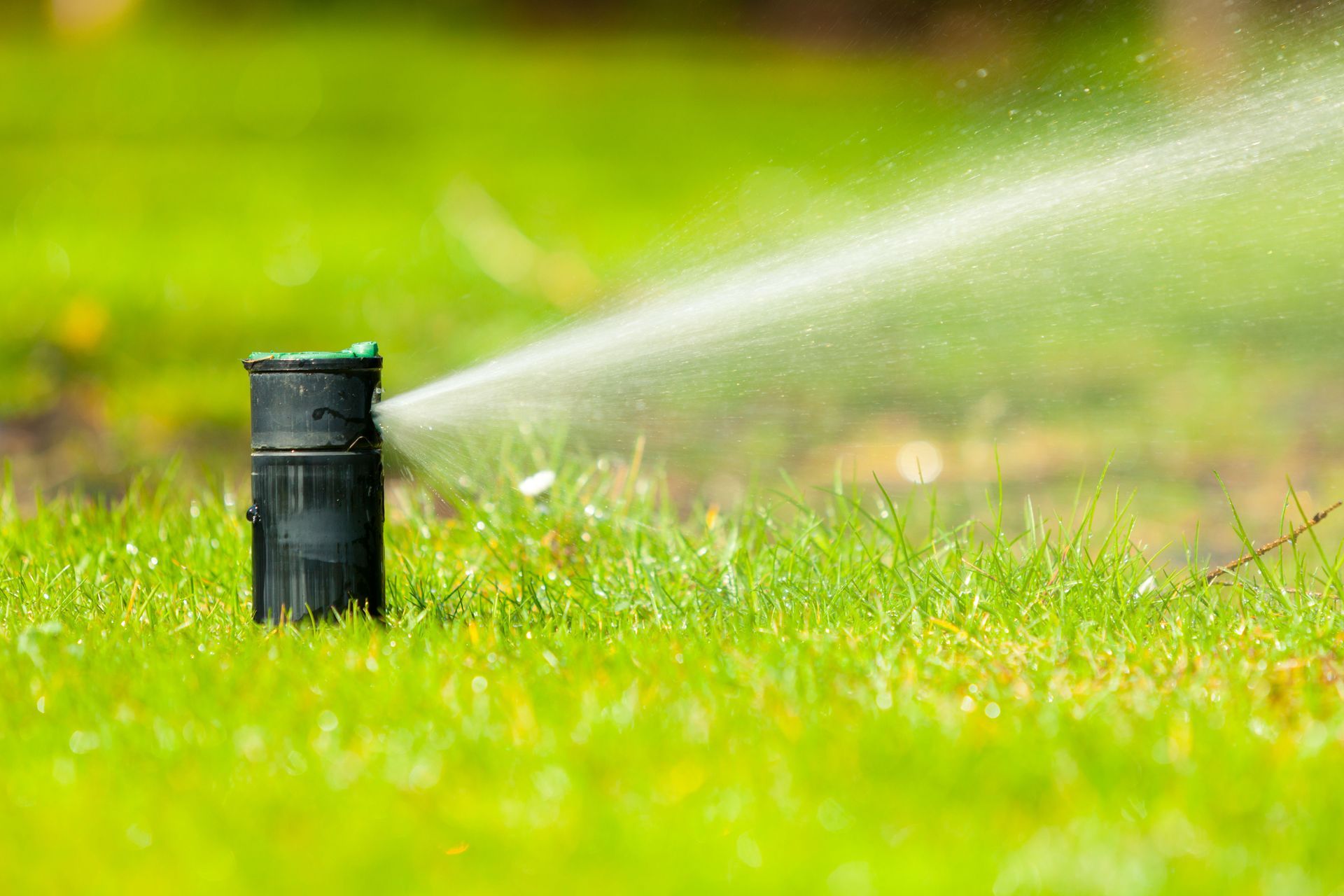
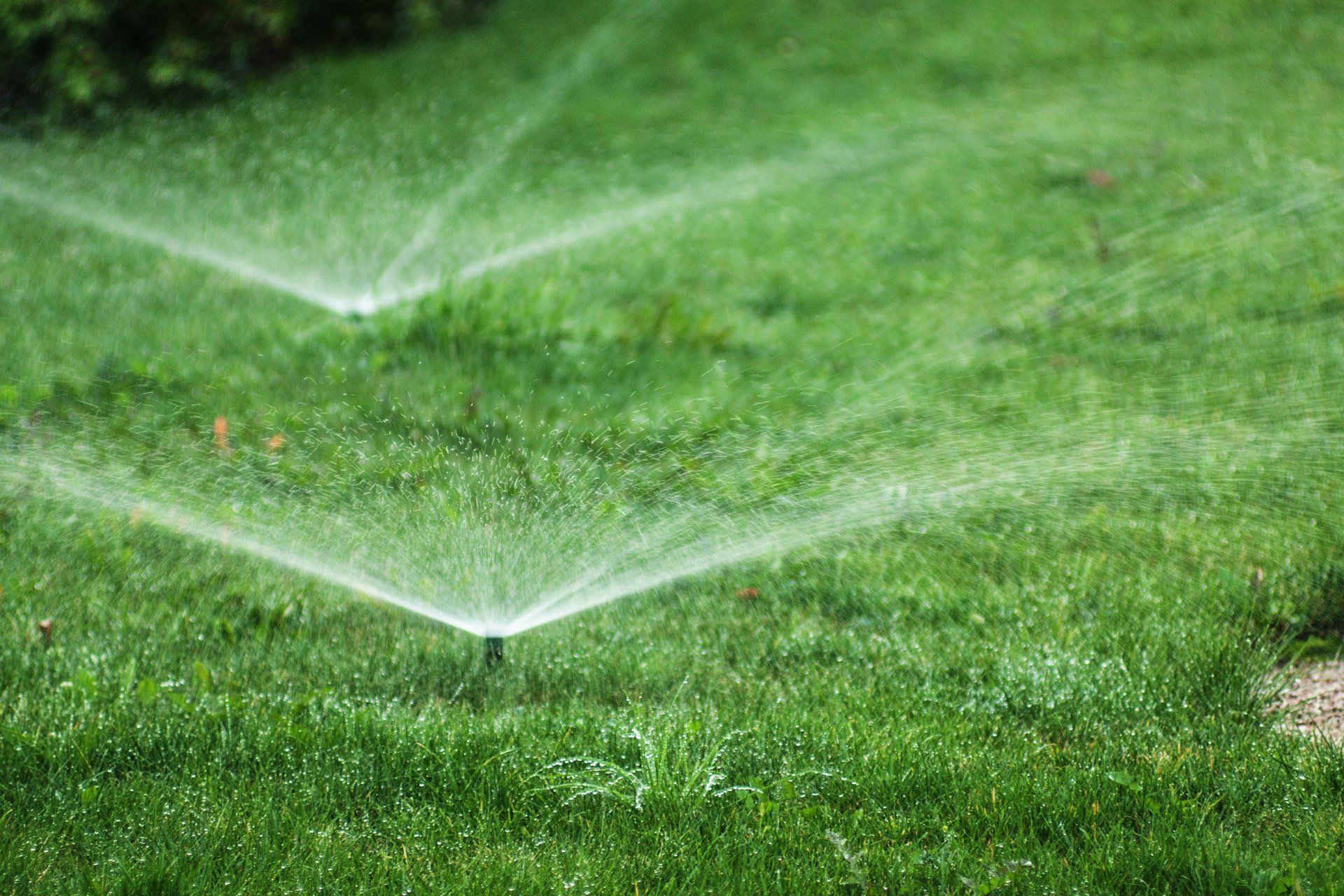
Broken sprinkler heads are among the most common irrigation system problems. These components are constantly exposed to outdoor conditions, making them vulnerable to damage from lawn maintenance equipment, foot traffic, shifting soil, and general deterioration. A damaged sprinkler head may spray water in unintended directions, create puddles, or fail to distribute water across its designated area.
Professional sprinkler system repair contractors begin by examining the damaged component and assessing the surrounding irrigation connections. They determine whether the issue involves a cracked housing, damaged nozzle, clogged mechanism, or compromised connection beneath the surface.
Depending on the condition of the equipment, professionals may replace the sprinkler head or repair individual components. They also evaluate spray patterns and positioning to ensure the repaired equipment distributes water appropriately.
Proper alignment is particularly important because incorrectly positioned sprinkler heads can waste water on sidewalks, driveways, and other surfaces rather than reaching the intended landscaping.
How Professionals Fix Underground Pipe Leaks
Underground irrigation leaks can be difficult to identify because damaged pipes are often concealed beneath soil, grass, or landscaping materials. Common warning signs include consistently wet areas, unexplained puddles, reduced water pressure, and sections of unusually lush vegetation.
These leaks may develop from shifting soil, invasive tree roots, freezing conditions, accidental excavation, or deterioration of underground piping materials.
Experienced sprinkler system repair contractors investigate suspected leaks by evaluating water pressure, inspecting accessible connections, and using appropriate leak detection methods. Their objective is to locate the damaged section while minimizing unnecessary disruption to surrounding landscaping.
Once the source is identified, technicians determine whether the affected piping requires localized repairs or replacement. They also inspect nearby connections for additional deterioration that could compromise system performance.
Addressing underground leaks promptly helps reduce unnecessary water consumption and limits the possibility of ongoing soil erosion or landscape damage.
How Professionals Fix Uneven Water Distribution
Uneven watering can create noticeable differences in lawn appearance. Some areas may receive excessive moisture, while others remain dry despite regular irrigation cycles. These inconsistencies can contribute to stressed grass, declining plant health, and inefficient water consumption.
Several factors can cause uneven distribution, including misaligned sprinkler heads, incorrect nozzle selection, pressure fluctuations, overlapping spray patterns, and obstructions caused by vegetation.
Qualified sprinkler system repair contractors assess the irrigation layout to identify areas receiving insufficient or excessive coverage. They examine sprinkler placement, nozzle characteristics, operating pressure, and the relationship between individual watering zones.
Professionals may adjust sprinkler positioning, replace unsuitable nozzles, or recommend changes to the irrigation configuration. They also consider the watering requirements of different landscape areas.
A properly balanced system distributes moisture more consistently while reducing overspray and unnecessary runoff. These improvements can support healthier landscaping without relying on excessive watering.
How Professionals Fix Malfunctioning Irrigation Valves
Irrigation valves regulate water flow throughout a sprinkler system. Each valve typically controls a designated watering zone, allowing the system to direct water where it is needed.
When a valve malfunctions, a watering zone may fail to activate, remain continuously operational, or receive inconsistent water flow. Valve problems can result from damaged electrical components, accumulated debris, worn internal parts, or mechanical deterioration.
Professional sprinkler system repair contractors inspect the valve assembly and associated electrical connections to determine whether the malfunction is electrical or mechanical.
Technicians may evaluate the solenoid, inspect internal components, and test the valve’s response to controller commands. Depending on the findings, repairs may involve cleaning affected components, replacing damaged parts, or installing a replacement valve.
Professionals also verify that the repaired valve opens and closes correctly. This testing helps prevent continued water flow after an irrigation cycle ends and supports reliable operation across individual watering zones.
How Professionals Fix Low Water Pressure
Adequate water pressure is necessary for sprinkler heads to operate correctly. When pressure becomes insufficient, sprinkler heads may fail to extend completely, produce weak spray patterns, or leave portions of the lawn inadequately watered.
Low pressure can originate from several sources, including underground leaks, partially closed valves, obstructed piping, malfunctioning regulators, or excessive demand within an irrigation zone.
Experienced sprinkler system repair contractors measure operating pressure and examine the irrigation network to identify potential restrictions or pressure losses.
They may assess individual zones, inspect accessible connections, and evaluate whether the system configuration matches the available water supply.
After identifying the underlying issue, professionals recommend targeted repairs or adjustments rather than treating weak sprinkler performance as an isolated problem.
Restoring appropriate pressure helps sprinkler heads operate within their intended range. It can also improve coverage consistency and reduce unnecessary strain on irrigation components.
How Professionals Fix Irrigation Controller Problems
Modern irrigation controllers regulate watering schedules, zone activation, and operating durations. When these devices malfunction, a sprinkler system may water at unexpected times, skip scheduled cycles, or stop operating altogether.
Controller problems may involve damaged wiring, electrical interruptions, programming errors, faulty sensors, or deteriorating internal components. Outdoor exposure and moisture infiltration can also affect certain installations.
Professional sprinkler system repair contractors evaluate controller settings, electrical connections, and communication with irrigation valves to determine why the system is not responding correctly.
They may inspect wiring integrity, identify defective components, or replace malfunctioning equipment when repairs are insufficient.
Professionals also confirm that watering schedules match the property’s irrigation requirements and applicable watering restrictions.
For systems equipped with weather-responsive technology, technicians may evaluate sensor functionality to ensure environmental information is being interpreted correctly.
A properly functioning controller helps maintain predictable irrigation cycles while reducing unnecessary watering caused by programming or equipment failures.
How Professionals Fix Clogged Sprinkler Nozzles
Sprinkler nozzles contain relatively small openings that can become obstructed by soil particles, mineral deposits, sediment, and other debris. Even minor blockages can interfere with spray patterns and prevent water from reaching intended areas.
Clogged nozzles may produce irregular streams, reduced coverage, or inconsistent spray distances. These symptoms sometimes resemble pressure problems, making an accurate diagnosis important.
Experienced sprinkler system repair contractors examine affected nozzles and assess whether the obstruction is isolated or associated with contamination elsewhere in the irrigation network.
Depending on the findings, technicians may clean suitable components, replace damaged nozzles, or investigate sediment entering the system.
They also evaluate water distribution after completing the necessary service to confirm that spray patterns have returned to normal.
When clogging occurs repeatedly, additional inspection may reveal underlying issues involving filtration, piping conditions, or water quality.
Identifying these contributing factors can help reduce recurring interruptions and support more dependable sprinkler performance.
How Professionals Help Maintain Long-Term Irrigation Performance
Sprinkler system problems vary considerably in severity, making professional evaluation valuable when equipment begins operating improperly.
According to LawnStarter, typical sprinkler system repair expenses range from $130 to $360, with average homeowner spending reaching approximately $250.
Actual repair expenses depend on the affected components, accessibility, system configuration, and complexity of the required work.
Routine professional inspections can help identify deteriorating components, developing leaks, pressure irregularities, and coverage problems before they become more disruptive.
Maintaining appropriate irrigation performance also supports responsible water consumption and helps protect established landscaping.
Rather than addressing visible symptoms alone, professional diagnostics focus on identifying the underlying causes of equipment failures and recommending repairs suited to the system’s condition.
How Professionals Can Restore Your Sprinkler System
A dependable irrigation system plays an important role in maintaining attractive, healthy landscaping. Addressing damaged sprinkler heads, underground leaks, pressure problems, and malfunctioning controls can improve watering consistency and overall equipment reliability.
At The Sprinkler Man, Inc, we understand the importance of maintaining a properly functioning irrigation system. Our team is ready to help identify sprinkler problems and provide appropriate repair solutions. Contact us today to discuss your irrigation concerns and learn how we can help restore dependable watering performance.




Share On: